Air conditioning units are essential for maintaining comfort in both residential and commercial spaces, especially during the sweltering summer months. However, like any other appliance, they can sometimes encounter issues that disrupt their functionality. One common problem is intermittent power failure, where the AC unit turns off unexpectedly or fails to start altogether. Understanding how to diagnose and repair these issues can save time, money, and discomfort.
Intermittent power problems in air conditioners can be attributed to several factors. A primary cause could be an electrical issue such as a tripped circuit breaker or a blown fuse. These components are designed to protect your home from electrical overloads by interrupting the flow of electricity when necessary. If your AC suddenly loses power, checking the circuit breaker box should be your first step.
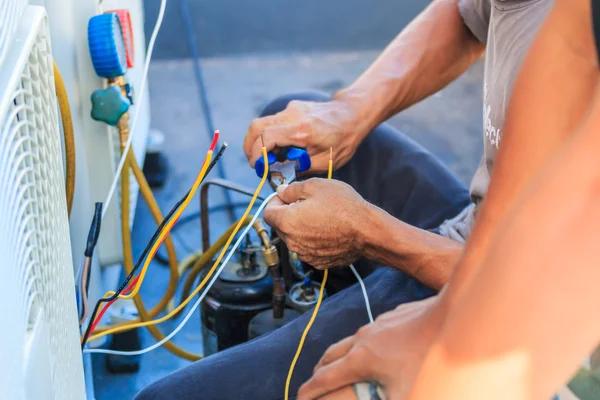
Another potential culprit is faulty wiring or loose connections within the unit itself. Over time, wires can become frayed or disconnected due to vibrations or wear and tear. Inspecting the wiring for signs of damage or looseness is crucial; however, this task requires caution due to the risk of electric shock.
Thermostat malfunctions also contribute significantly to intermittent power issues in air conditioners. A thermostat that isn’t functioning correctly may fail to discover further details here send signals effectively to the AC unit’s control board, causing it not to turn on as expected. Ensuring that your thermostat has fresh batteries and is set at an appropriate temperature setting might resolve this issue.
Moreover, capacitors play a vital role in providing initial power surge required for starting up motors within an AC system—both fan motor and compressor motor rely on them heavily during startup phase—if they are weak or failing intermittently it could lead directly into inconsistent performance including unexpected shutdowns.