The increasing shift towards sustainable living and green technology has propelled the rise of EV-ready homes powered by solar technology. This trend signifies a pivotal change in how we perceive energy consumption and residential infrastructure, aligning with global efforts to reduce carbon emissions and embrace renewable energy sources.
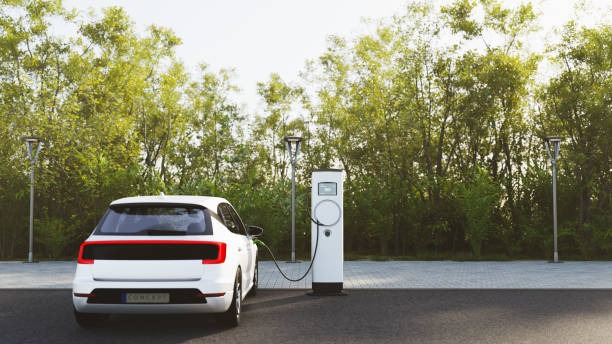
Electric vehicles (EVs) have gained significant traction as a cleaner alternative to traditional gasoline-powered cars. As their popularity grows, so does the demand for convenient charging solutions at home. Enter EV-ready homes—residences equipped with dedicated charging stations that cater specifically to electric vehicles. These homes not only provide convenience but also encourage more people to transition to electric transportation by eliminating one of the key barriers: access to reliable charging.
Solar technology plays an integral role in this evolution. By harnessing the power of the sun, homeowners can generate their own electricity, significantly reducing reliance on fossil fuels. Solar panels installed on rooftops capture sunlight and convert it into usable energy through photovoltaic cells. This clean energy can then be used to power household appliances, lighting, and most importantly, charge electric vehicles.
Combining solar technology with EV-ready infrastructure creates a symbiotic relationship where both systems enhance each other’s efficiency and sustainability. During daylight hours, solar panels produce electricity that can be stored in home batteries or fed directly into an EV charger. This setup not only reduces utility bills but also ensures that electric vehicles are charged using clean energy rather than grid electricity that may still rely on non-renewable sources.
Moreover, advancements in smart home technologies further optimize this integration by allowing homeowners to monitor and manage their energy usage effectively. Smart meters track electricity production from solar panels and consumption patterns within the household, providing insights into when it’s most efficient to charge an EV or use other electrical devices.
Governments around the world are recognizing the potential of this approach and offering incentives for adopting such technologies. Tax credits, rebates for solar panel installations, and grants for setting up home charging stations make these upgrades find more information accessible financially while promoting widespread adoption.
As urban planning evolves alongside technological innovations like autonomous driving systems integrated with smart grids powered by renewables—a vision once considered futuristic is now becoming reality across neighborhoods globally; communities embracing net-zero goals transform landscapes sustainably without compromising modern conveniences necessary today’s fast-paced lifestyles demand!
In conclusion—the rise of EV-ready homes powered by solar technology represents a significant step forward toward achieving environmental sustainability goals worldwide! It demonstrates how innovative solutions combining renewable energies & digital advancements pave way greener tomorrow—one household time!