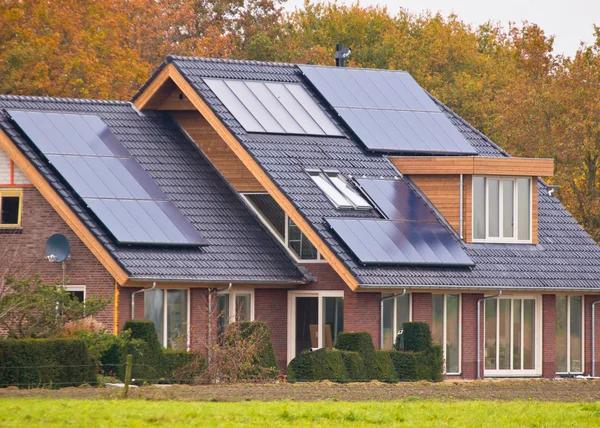
As solar energy continues to gain traction as a sustainable and cost-effective power source, many homeowners are investing in solar panels. However, like any technology, solar panels have a lifespan and may require an upgrade over time to maintain efficiency and performance. Knowing when your solar panels need an upgrade is crucial for ensuring optimal energy production and maximizing the return on your investment.
One of the first indicators that your solar panels might need an upgrade is a noticeable decline in energy output. Solar panels typically degrade at a rate of about 0.5% to 1% per year, which means their efficiency gradually decreases over time. If you observe that your system’s energy production has significantly dropped compared to previous years without any apparent reason such as shading or dirt accumulation, it might be time to consider an upgrade.
Technological advancements also play a significant role in determining whether it’s time for an upgrade. The solar industry has seen tremendous innovation over the past decade, with newer models offering higher efficiency rates and better durability than older ones. If your current system is more than ten years old, exploring new technologies could provide substantial benefits in terms of performance improvements and cost savings.
Another factor to consider is changes in your household’s energy consumption patterns. Perhaps you’ve added new appliances or expanded your home; these changes can increase your electricity needs beyond what your existing system can supply efficiently. An upgraded system with additional capacity could help meet this increased demand without relying on grid electricity.
read the full article physical components of the solar panel system should not be overlooked either. Over time, wear and tear from environmental exposure can affect both the panels themselves and other critical components like inverters or mounting systems. Regular inspections by qualified professionals can identify issues such as micro-cracks, delamination, or corrosion that may necessitate upgrading parts of or even the entire system.
Financial incentives are another consideration when contemplating an upgrade. Government programs often offer rebates or tax credits for installing new renewable energy systems which can offset some costs associated with upgrading outdated equipment.
Finally, if you’re planning on selling your property soon, having modernized solar technology installed can enhance its marketability by appealing to eco-conscious buyers who value sustainability features.
In summary, knowing when it’s time to upgrade involves monitoring performance metrics closely while staying informed about technological advances within the industry itself alongside evaluating personal circumstances like changing power needs or potential financial assistance available through governmental schemes—all integral steps towards maintaining efficient clean-energy solutions at home long-term!