Repairing your hot water system can seem daunting, but with the right approach and knowledge, you can tackle this task without unnecessary stress. Whether you are dealing with inconsistent water temperatures, leaks, or strange noises emanating from your system, understanding the basics of repair can save both time and money.
First and foremost, safety should be your top priority. Before starting any repair work on your hot water system, ensure that it is completely turned off. For electric systems, switch off the power at the circuit breaker to prevent any electrical hazards. If you have a gas-powered unit, turn off the gas supply to avoid potential leaks or explosions.
Once safety measures are in place, identify the problem by conducting a thorough inspection of your hot water system. Common issues include faulty thermostats or heating elements in electric models and pilot light problems in gas systems. Leaks could stem from loose connections or corrosion within the tank itself.
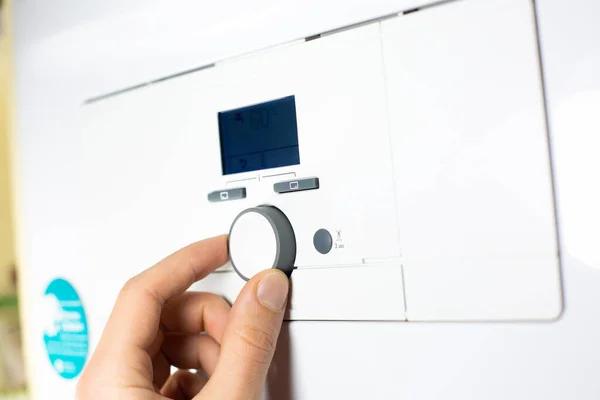
For electric systems exhibiting temperature inconsistencies or no heat at all, check the thermostat settings first as they might have been altered inadvertently. If adjusting them does not resolve the issue, inspect the heating elements for damage using a multimeter to test for continuity. Replacing faulty read full article components is often straightforward; however, ensure that replacement parts match specifications provided by your manufacturer.
In gas units where pilot lights refuse to stay lit or ignite altogether, examine thermocouples—these are sensors responsible for shutting down gas flow if no flame is detected—to see if they require cleaning or replacement due to wear over time.
Leaks around fittings may only necessitate tightening connections while persistent leakage signals more serious concerns like internal corrosion requiring professional assessment unless you’re confident enough handling such tasks yourself after researching proper procedures online through reputable sources including video tutorials demonstrating step-by-step guidance tailored specifically toward DIY enthusiasts tackling similar projects independently yet safely under expert supervision whenever possible!
Regular maintenance plays an essential role when aiming towards longevity regarding one’s investment into reliable household appliances such as these crucial devices providing comfort during colder months especially since neglect leads inevitably toward costly repairs otherwise easily avoided entirely given proactive care implemented consistently throughout operational lifespan ensuring optimal performance sustained year-round effortlessly achieved via routine flushing sediment buildup periodically alongside inspecting anode rods annually replacing worn-out ones promptly thereby preventing rust formation ultimately extending overall durability significantly beyond initial expectations set forth originally upon purchase date long ago forgotten amidst daily life’s hustle-bustle until urgent attention becomes necessary suddenly unexpectedly catching everyone off guard unprepared unfortunately resulting regrettably higher expenses incurred unnecessarily had preventive measures been taken earlier beforehand proactively instead reactively responding emergencies arise inevitably sooner later regardless intentions good intentions notwithstanding always advisable err side caution whenever doubt arises concerning unfamiliar territory ventured cautiously albeit confidently armed adequate knowledge acquired prior undertaking said endeavor successfully completing task satisfaction guaranteed!