Author: admin

  • Tree Trimming Manassas VA Specialists Offering Skilled Maintenance

    Tree Trimming Manassas VA Specialists Offering Skilled Maintenance

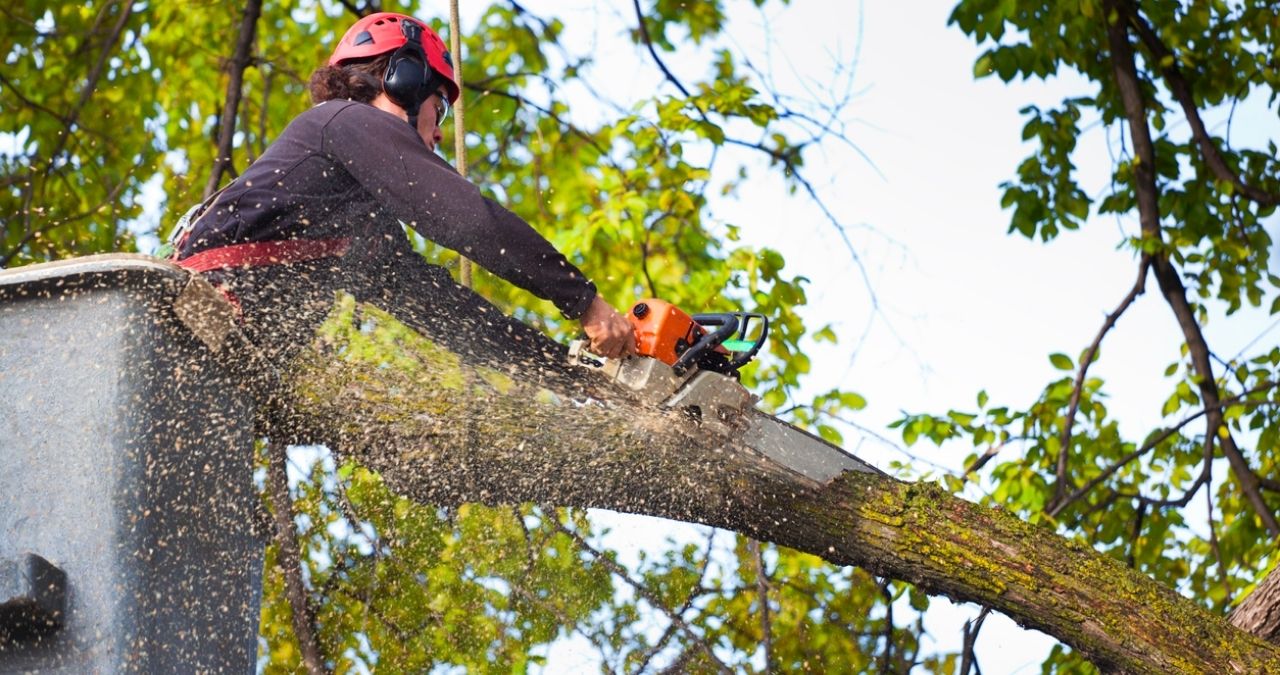
    In the growing community of Manassas, VA, maintaining the health and aesthetics of trees is a vital aspect of property care. Tree trimming specialists in this area offer skilled maintenance services that ensure trees remain healthy, safe, and visually appealing throughout the year. These professionals bring extensive knowledge and experience to each job, understanding not only how to enhance the natural beauty of trees but also how to prevent potential hazards caused by overgrown or damaged branches.

    Tree trimming is more than just cutting back branches; it involves careful assessment and precise techniques tailored to each tree species. Specialists in Manassas evaluate factors such as tree age, growth patterns, disease presence, and environmental conditions before proceeding with any pruning work. Proper trimming promotes healthy growth by removing dead or diseased limbs that could spread infections or attract pests. This proactive approach helps extend the life span of trees while contributing positively to the local ecosystem.

    Safety is another critical reason for engaging professional tree trimmers in Manassas. Overgrown branches can pose significant risks during storms or high winds by breaking off and causing damage to homes, vehicles, power lines, or even people. Experts use specialized equipment and follow industry safety standards to minimize these dangers effectively. Their skillful handling ensures that both your property and surrounding areas remain protected from potential harm related to poorly maintained trees.

    Additionally, well-maintained trees increase curb appeal and add value to residential or commercial properties in Manassas. Skilled arborists understand how strategic pruning shapes a tree’s structure for optimal sunlight exposure and air circulation while enhancing its overall appearance. This attention to detail creates an inviting outdoor environment that complements landscaping efforts effortlessly.

    Environmental benefits are also significant when utilizing expert tree trimming manassas va. Healthy trees improve air quality by filtering pollutants and producing oxygen while providing shade that reduces energy consumption inside buildings during warmer months. By fostering robust growth through proper maintenance practices, specialists contribute positively toward sustainable urban forestry initiatives within the community.

    Choosing local experts means gaining access to professionals familiar with regional climate challenges affecting tree health throughout different seasons in Virginia’s Piedmont region. Their expertise allows them to recommend customized maintenance schedules aligned with seasonal growth cycles specific to native species commonly found around Manassas neighborhoods.

    Ultimately, investing in skilled tree trimming services offered by dedicated specialists ensures long-term benefits for both individual property owners and broader community well-being alike. Whether addressing routine upkeep needs or managing storm damage recovery efforts after severe weather events typical of this Mid-Atlantic locality-these experts provide reliable solutions designed around preserving nature’s beauty safely and efficiently year-round.

    Engaging trusted Manassas VA tree trimming professionals guarantees comprehensive care combining technical proficiency with environmentally conscious practices-making them indispensable partners for anyone seeking superior landscape management today!

  • AI in Business Forecasting: Future Trends Explained

    AI in Business Forecasting: Future Trends Explained

    Artificial intelligence (AI) has become a transformative force in business forecasting, revolutionizing how companies predict market trends, consumer behavior, and financial outcomes. As businesses increasingly rely on data-driven decision-making, AI-powered forecasting tools offer unprecedented accuracy and efficiency compared to traditional methods. The integration of AI technologies such as machine learning, natural language processing, and advanced analytics enables organizations to analyze vast amounts of structured and unstructured data quickly and derive actionable insights.

    One of the most significant advantages of AI in business forecasting is its ability to process real-time data from diverse sources including social media, economic indicators, sales records, and customer feedback. Unlike conventional statistical models that often depend on historical patterns alone, AI systems can identify complex patterns and correlations that humans might overlook. This capability allows for more dynamic forecasts that adapt rapidly to changing market conditions. For example, retail companies can optimize inventory levels by predicting demand fluctuations with greater precision during seasonal periods or promotional events.

    Looking ahead, several future trends are poised to shape the role of AI in business forecasting. Firstly, explainable AI (XAI) will gain prominence as organizations seek transparency in how predictions are generated. While current deep learning models provide high accuracy rates, their “black-box” nature makes it difficult for users to understand the underlying reasoning behind forecasts. Explainable models will bridge this gap by offering clear justifications for their outputs which enhances trust among stakeholders and facilitates better decision-making.

    Secondly, the convergence of AI with edge computing will enable faster analysis closer to data sources rather than relying solely on centralized cloud servers. This shift will be critical for industries requiring near-instantaneous forecasts such as supply chain management or financial trading where delays could result in missed opportunities or losses.

    Moreover, advances in natural language processing will allow businesses to incorporate qualitative factors like news reports or customer sentiments into predictive models seamlessly. Sentiment analysis combined with quantitative metrics can enrich forecasts by capturing market mood shifts that numerical data alone may not reveal.

    Another emerging trend is the democratization of AI tools through user-friendly platforms that empower non-experts within organizations to build customized forecasting models without extensive technical knowledge. This accessibility fosters innovation at various organizational levels ensuring broader adoption across sectors.

    In conclusion, Artificial Intelligence is set to redefine business forecasting by making predictions more accurate, timely and transparent. Future developments focusing on explainability, edge computing integration,and enhanced natural language capabilities promise even greater impact across industries worldwide. Companies embracing these trends early stand to gain competitive advantages through improved strategic planning and operational agility in an increasingly complex global marketplace.

  • How Businesses Are Leveraging AI for Sustainability

    How Businesses Are Leveraging AI for Sustainability

    In recent years, the integration of artificial intelligence (AI) into business operations has transformed various industries, not only enhancing efficiency and profitability but also driving significant advancements in sustainability. Companies across the globe are increasingly leveraging AI technologies to address environmental challenges, reduce waste, optimize resource use, and promote sustainable practices. This shift reflects a growing recognition that long-term business success is closely tied to ecological responsibility.

    One of the primary ways businesses utilize AI for sustainability is through energy management. AI-powered systems can analyze vast amounts of data from smart grids, sensors, and IoT devices to optimize energy consumption in real time. For instance, AI algorithms predict peak demand periods and adjust energy usage accordingly, reducing unnecessary power consumption and lowering carbon footprints. In manufacturing plants or office buildings, intelligent automation controls heating, ventilation, air conditioning (HVAC), and lighting systems more efficiently than traditional methods.

    Supply chain optimization is another critical area where AI contributes significantly to sustainability efforts. By analyzing data related to logistics routes, inventory levels, supplier performance, and customer demand patterns, AI helps companies minimize transportation emissions and reduce waste generated by overproduction or excess inventory. Predictive analytics enable better forecasting that aligns production with actual demand while identifying opportunities for sourcing materials locally or using greener alternatives.

    Waste reduction also benefits immensely from AI applications. In sectors like agriculture and food production where spoilage rates are high due to inefficiencies in harvesting or distribution timing, machine learning models can forecast yield accurately and recommend optimal harvest times or storage conditions. Retailers use computer vision technology powered by AI to monitor product freshness on shelves in real time so they can discount items approaching expiration dates rather than discarding them outright.

    Moreover, many businesses employ AI-driven environmental monitoring tools that track pollution levels-such as air quality indices or water contamination-in their operational areas. These insights allow companies to implement corrective measures promptly before environmental damage becomes severe while demonstrating transparency with stakeholders about their ecological impact.

    AI also facilitates innovation in developing sustainable products by accelerating research processes through simulation models that test material properties without extensive physical trials. This capability reduces resource consumption during product development phases while encouraging eco-friendly design principles.

    Despite these promising advances driven by Artificial Intelligence toward sustainability goals within the corporate sector challenges remain regarding ethical considerations around data privacy as well as ensuring equitable access to these technologies globally so smaller enterprises can participate meaningfully too.

    In conclusion, businesses harnessing the power of artificial intelligence are making remarkable strides toward embedding sustainability into their core strategies. By optimizing energy use, streamlining supply chains, reducing waste, and fostering innovative product development, AI serves as a pivotal tool enabling companies not just to thrive economically but also contribute positively toward preserving our planet for future generations. As technology continues evolving rapidly, its role in promoting sustainable business practices will undoubtedly expand further, offering new pathways for environmentally responsible growth worldwide.

  • Fast Action to Prevent Further Home Damage

    Fast Action to Prevent Further Home Damage

    When a home sustains damage, taking fast action is crucial to prevent further deterioration and costly repairs. Immediate response can significantly reduce the impact of issues such as water intrusion, structural damage, or electrical hazards. The first step after identifying any damage is to assess the situation carefully and ensure safety for all occupants. If the problem poses a risk of injury or fire, evacuate the premises promptly and call emergency services if necessary. Once safety is secured, it is important to address the source of damage without delay.

    Water leaks are one of the most common causes of home damage that escalate quickly if left unattended. Whether from burst pipes, roof leaks, or flooding, standing water can cause extensive harm to walls, floors, and personal belongings while encouraging mold growth. Shutting off the main water supply immediately helps contain the issue. After stopping further water entry, removing excess moisture through mopping or using wet vacuums minimizes long-term effects. In cases where flooding occurs due to natural disasters or severe plumbing failures, contacting professional restoration services ensures thorough drying and disinfection.

    Structural problems require prompt attention as well since they affect a building’s stability and safety. Cracks in walls or foundation shifts should be inspected by qualified professionals who can determine whether temporary supports are needed before permanent repairs take place. Ignoring these signs could lead to worsening instability and potential collapse over time.

    Electrical faults caused by damaged wiring during storms or accidents also demand urgent handling due to fire risks involved with exposed wires or short circuits. Turning off power at the breaker panel prevents further hazards until licensed electricians evaluate and fix compromised systems safely.

    In addition to immediate fixes for visible damages, documenting everything through photos and notes proves essential when dealing with insurance claims later on. Quick communication with your insurer allows you to understand coverage options early in the process so that repairs proceed smoothly without undue financial strain.

    Maintaining clear air circulation within affected areas helps reduce humidity levels that contribute to material degradation like wood rot or wallpaper peeling away from surfaces after exposure to moisture.

    Overall, swift intervention limits secondary damages that often result from neglecting initial harm in homes experiencing sudden incidents such as leaks, storms, fires, or accidents involving infrastructure components inside buildings themselves; acting decisively safeguards both property value and resident well-being alike by preventing minor issues from becoming major problems requiring extensive reconstruction efforts down the line.

  • Effective Training Plans for Weight and Muscle Goals

    Effective Training Plans for Weight and Muscle Goals

    Creating effective training plans for weight and muscle goals requires a strategic approach that balances exercise selection, intensity, volume, and recovery. Whether the aim is to lose fat, gain muscle mass, or improve overall body composition, understanding how these elements interact is essential for achieving sustainable results. The foundation of any successful plan begins with setting clear, realistic objectives tailored to individual needs and fitness levels. These goals guide the structure of workouts and influence nutritional choices.

    For those focusing on weight loss while preserving lean muscle tissue, incorporating both resistance training and cardiovascular exercise is crucial. Resistance training helps maintain or increase muscle mass, which boosts metabolism and supports fat loss over time. Compound movements such as squats, deadlifts, bench presses, and rows engage multiple muscle groups efficiently and should form the core of strength sessions. Cardiovascular activities like running, cycling, or high-intensity interval training (HIIT) complement resistance work by increasing calorie expenditure without compromising muscular strength when properly balanced.

    Muscle gain requires a different emphasis on progressive overload-the gradual increase in weights or repetitions to continually challenge muscles. Training plans aimed at hypertrophy typically involve moderate to heavy loads performed in sets ranging from six to twelve repetitions with adequate rest between sets. Prioritizing exercises that target major muscle groups ensures balanced development while reducing injury risk through proper technique and controlled movement speed.

    Recovery plays an indispensable role in both weight management and muscle growth programs. Muscles need time to repair after strenuous workouts; insufficient rest can lead to overtraining symptoms such as fatigue or diminished performance. Incorporating rest days alongside active recovery methods like stretching or light aerobic activity enhances overall progress by preventing burnout.

    Nutrition must align closely with physical activity goals since energy intake directly affects body composition changes. A caloric deficit supports fat loss but should not be so severe that it impairs strength gains or causes excessive muscle breakdown. Conversely, a slight caloric surplus combined with adequate protein consumption fosters optimal conditions for hypertrophy by supplying necessary building blocks for tissue repair.

    Tracking progress through measurable indicators-body measurements, strength improvements, or visual changes-allows adjustments in programming based on individual responses rather than rigid adherence to initial plans alone. Flexibility within a structured framework encourages long-term adherence by accommodating lifestyle variations without sacrificing effectiveness.

    In summary, effective training plans integrate targeted resistance exercises with appropriate cardio components tailored toward specific weight or muscle objectives while emphasizing progressive overload principles and sufficient recovery periods supported by aligned nutrition strategies for best outcomes over time.

  • Colorful Exterior Makeovers for a Modern Home

    Colorful Exterior Makeovers for a Modern Home

    Transforming the exterior of a modern home with vibrant colors can significantly enhance its curb appeal and create a welcoming atmosphere. Choosing the right color palette is essential to complement contemporary architectural styles while adding personality and charm. Bold hues such as deep blues, rich greens, or warm terracotta tones are increasingly popular for modern homes because they provide striking contrasts against neutral elements like concrete, metal, or wood accents. These colors not only make a statement but also highlight the clean lines and geometric shapes typical of modern design.

    When planning a colorful exterior makeover, it is important to consider how different shades interact with natural light throughout the day. Lighter colors tend to reflect sunlight, making spaces appear larger and more open, whereas darker tones absorb light and add depth and drama to facades. Combining both light and dark shades in strategic areas can emphasize architectural features such as window frames, doors, or trim. For example, painting window casings in a crisp white against a charcoal gray wall creates visual interest without overwhelming the overall aesthetic.

    Another effective approach involves incorporating accent walls or panels painted in vivid colors that contrast with the main facade’s tone. This technique breaks up large surfaces visually while drawing attention to specific parts of the structure like entryways or garage doors. Additionally, using complementary colors on outdoor furniture or landscaping elements enhances cohesion between built environments and nature. Plants with colorful foliage alongside painted planters can soften hard edges while reinforcing an inviting ambiance.

    Modern homes often feature materials like stucco, fiber cement siding, or metal cladding that respond well to high-quality exterior paints designed for durability and weather resistance. Selecting paints formulated for these surfaces ensures long-lasting vibrancy despite exposure to sun, rain, or temperature fluctuations. It is advisable to test samples on small sections before committing fully since actual appearance may differ from paint swatches due to lighting conditions.

    Maintenance considerations should also influence color choices; lighter shades might require more frequent cleaning but reveal less fading over time compared to intense pigments prone to sun damage. Homeowners should balance aesthetics with practicality by consulting professionals who understand local climate impacts on paint performance.

    Incorporating color into a modern home’s exterior offers endless creative possibilities that transcend traditional neutral palettes commonly associated with contemporary architecture. Thoughtful use of bold yet harmonious hues elevates visual appeal while reflecting personal style preferences uniquely suited for each residence’s character and surroundings. With careful planning focused on material compatibility and environmental factors combined with artistic vision tailored toward enhancing structural details through color contrast techniques results in stunning transformations that stand out gracefully within any neighborhood setting today.

  • Home Exercises to Support Speech Therapy Progress

    Home Exercises to Support Speech Therapy Progress

    Speech therapy is a vital tool for children and adults facing communication, language development, or articulation challenges. It helps improve clarity, confidence, and the ability to interact effectively. However, the progress made during therapy sessions depends significantly on how consistently those skills are practiced outside the clinic. Home exercises play a crucial role in reinforcing what has been learned and speeding up progress.

    Many speech therapists encourage families to actively participate in therapy by integrating fun and practical exercises into daily routines. These at-home activities strengthen specific speech goals and build a supportive environment where learning feels natural and enjoyable. With the right approach, home practice becomes less of a chore and a bonding opportunity between parents, caregivers, and children.

    Working closely with a professional, such as the best ENT doctor in Vadodara, ensures that speech difficulties are accurately diagnosed and paired with tailored therapy plans. Combining medical expertise with consistent home support creates the foundation for long-term success in speech development.

    Why Home Exercises Matter in Speech Therapy

    Speech therapy sessions usually last only a limited amount of time each week. Without reinforcement at home, it’s easy for children, or even adults, to forget the techniques and strategies they’ve learned. Home exercises extend the benefits of therapy beyond the clinic, providing repeated practice that strengthens neural pathways related to speech and language.

    Regular practice also improves confidence. Children who consistently rehearse their sounds, words, or phrases are likelier to use them spontaneously in conversations. Adults working on speech recovery, such as after a stroke, benefit equally from this added practice.

    Moreover, practicing at home allows family members to be directly involved in progress. Parents become partners in therapy, and children often feel encouraged when they see their caregivers cheering them on. This positive reinforcement helps keep motivation high.

    Fun and Interactive Exercises for Younger Children

    For children, the most effective speech exercises are those disguised as play. Kids learn best when having fun, and games help reinforce therapy goals without feeling like homework.

    Examples of engaging activities include:

    Sound Repetition Games: Turning target sounds into songs or chants makes practice enjoyable.

    Storytelling With Toys: Using dolls, cars, or action figures to narrate stories helps practice sentence formation.

    Reading Aloud: Shared reading time encourages pronunciation and vocabulary development.

    Articulation Practice with Mirrors: Children can watch their mouth movements while practicing tricky sounds like “r” or “s.”

    Word Hunts: Finding objects around the house that start with a particular sound creates excitement while reinforcing articulation.

    By incorporating exercises into playtime, children view speech practice as a natural part of their day rather than a structured task.

    Practical Activities for Older Children

    Older children benefit from slightly more structured activities that build speech clarity and language complexity. These exercises can be integrated into schoolwork, conversations, and hobbies.

    Some effective activities include:

    • Conversation Starters: Asking children open-ended questions encourages longer responses and vocabulary use.
    • Journaling or Diary Writing: Writing about their day helps organize thoughts and improve language structure.
    • Tongue Twisters: Practicing fun phrases sharpens articulation and fluency.
    • Acting or Role-play: Performing scenes from favorite books or shows boosts expression and confidence.
    • Recording and Playback: Listening to their speech helps children identify strengths and areas for improvement.

    With consistency, these activities support children in becoming more precise and more confident communicators.

    Speech Exercises for Adults at Home

    Adults undergoing speech therapy, whether due to neurological conditions, vocal strain, or other issues, also benefit from daily home exercise. These are often focused on strengthening muscles, improving fluency, and regaining confidence in communication.

    Common home exercises include:

    Breathing Techniques: Practicing diaphragmatic breathing to support steady speech.

    Articulation Drills: Repeating target words or sounds to improve clarity.

    Reading Aloud: Newspapers, poems, or short stories provide practice in pacing and pronunciation.

    Memory and Naming Exercises: Playing word games or recalling categories helps with word retrieval.

    Mirror Practice: Watching facial movements to ensure accurate articulation.

    Home practice also rebuilds independence for adults, making them feel more confident in conversations at work, social gatherings, or family events.

    Making Speech Exercises Part of Daily Life

    One of the best ways to support speech therapy is to integrate practice into everyday routines. This approach makes exercises less formal and ensures more opportunities for repetition.

    For example:

    • Parents can encourage children to describe the food on their plate during meals.
    • On car rides, families can play word games or practice new vocabulary.
    • Bedtime stories can double as reading practice.
    • For adults, practicing speech during phone calls or reading directions aloud keeps skills sharp.

    Consistency matters more than duration. Even 10–15 minutes of daily practice can make a noticeable difference in progress.

    Tracking Progress and Staying Motivated

    To maintain momentum, families can use visual aids such as charts or trackers to mark progress. Celebrating milestones, like mastering a sound or completing a week of practice, reinforces motivation. Small rewards, praise, or certificates of achievement can go a long way in keeping children engaged.

    For adults, progress may be tracked through recorded audio sessions or written notes about communication challenges and improvements. Looking back at the early stages and recognizing growth boosts confidence and determination.

    Staying motivated also requires patience. Speech progress doesn’t happen overnight, but improvements become visible and lasting with steady practice and encouragement.

    Conclusion

    Speech therapy is most effective when clinical sessions are supported by consistent, engaging home practice. From playful games for children to structured exercises for adults, these at-home activities reinforce skills, build confidence, and ensure lasting progress. Families play a vital role by making practice part of everyday routines, celebrating achievements, and staying patient through challenges.

    With expert guidance from a professional ENT doctor, patients can be assured that their therapy is backed by accurate diagnosis and tailored plans. When combined with dedication at home, speech therapy becomes a powerful transformation journey, helping individuals of all ages find their voice, strengthen communication, and thrive daily.