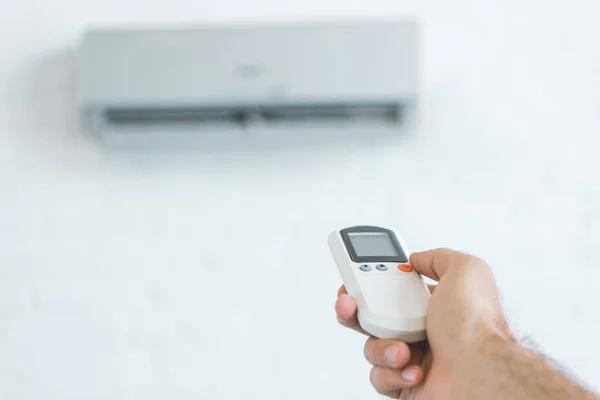
Air conditioners have become an indispensable part of modern living, providing not only comfort during sweltering summer months but also playing a crucial role in enhancing indoor air quality. While many people associate air conditioning systems solely with cooling, they offer several benefits that significantly improve the air we breathe indoors.
One of the primary ways air conditioners enhance indoor air quality is through effective filtration. Modern air conditioning units are equipped with advanced filters designed to trap dust, pollen, pet dander, and other airborne particles. These filters prevent contaminants from circulating within indoor spaces, thereby reducing the likelihood of respiratory issues and allergies among occupants. High-efficiency particulate air (HEPA) filters are particularly effective in capturing even the website smallest particles, ensuring cleaner and healthier indoor environments.
In addition to filtering out particulates, air conditioners help control humidity levels within homes and offices. Excess humidity can create an environment conducive to mold growth and dust mites—both notorious for triggering allergic reactions and asthma attacks. By maintaining optimal humidity levels between 30% and 50%, air conditioners inhibit these allergens’ proliferation while promoting overall comfort.
Moreover, consistent airflow provided by well-maintained HVAC systems contributes significantly to improved indoor air quality. Stagnant indoor environments can lead to a buildup of pollutants such as volatile organic compounds (VOCs), which emanate from household products like paints and cleaning supplies. Air conditioners circulate fresh outdoor air into enclosed spaces while expelling stale indoor air laden with VOCs—a process known as ventilation—which helps dilute pollutant concentrations indoors.
Another significant advantage offered by modern AC units lies in their ability to regulate temperature consistently throughout different rooms or zones within buildings using zoned cooling techniques or programmable thermostats integrated into smart home ecosystems today’s technological advancements provide users unprecedented control over their climate settings anywhere anytime via smartphone applications enabling them optimize energy consumption simultaneously improving overall health safety standards at home work alike!
In conclusion employing efficient reliable system offers multitude advantages beyond simple temperature regulation encompassing crucial aspects related directly indirectly affecting people’s lives daily basis making invaluable asset any setting seeking achieve optimal conditions conducive healthy productive lifestyle!