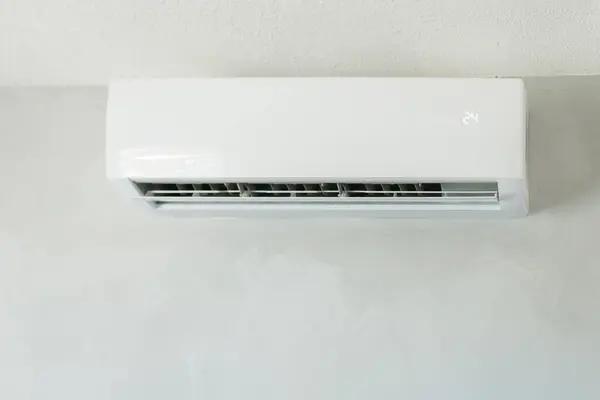
Maintaining a mini split system properly is essential to ensure long-term performance and efficiency. These units offer a reliable solution for heating and cooling, but without regular care, their effectiveness can diminish over time. One of the most important maintenance tasks involves cleaning or replacing the air filters regularly. Filters trap dust, pollen, and other airborne particles that can clog the system if neglected. Cleaning them every few weeks during heavy use helps maintain good airflow and prevents strain on the compressor. If filters are damaged or excessively dirty, replacement is necessary to keep indoor air quality high.
Another critical aspect of Mini Split upkeep is inspecting the outdoor condenser unit. Dirt, leaves, and debris can accumulate around it and block airflow, reducing its ability to dissipate heat effectively. Clearing away obstructions ensures proper ventilation and protects components from overheating. It’s advisable to gently clean the condenser fins with a soft brush or hose periodically while avoiding any damage to delicate parts.
Checking refrigerant levels also plays a vital role in sustaining system performance. Low refrigerant can indicate leaks that not only impair cooling but may harm the environment as well. Professional technicians should perform this inspection since handling refrigerants requires specialized knowledge and equipment.
Ensuring that electrical connections are secure helps prevent interruptions or malfunctions caused by loose wiring or corrosion over time. A qualified technician can verify these connections during routine service visits along with testing overall system operation for any irregularities.
Drain lines must be kept clear because clogged condensate drains lead to water buildup inside the unit which might cause mold growth or damage internal components. Regularly flushing drain lines with water prevents blockages and maintains proper drainage.
It’s equally important to monitor thermostat settings carefully so that they align with actual comfort needs without causing excessive energy consumption from constant cycling on and off. Using programmable thermostats allows better control over temperature fluctuations throughout different times of day.
Scheduling professional maintenance at least once annually ensures comprehensive evaluation beyond basic homeowner tasks such as filter cleaning alone. Technicians conduct detailed diagnostics including checking compressor health, fan motor function, sensor accuracy, duct integrity where applicable, and making necessary adjustments for optimal efficiency.