Tag: Spray Foam Insulation

  • Complete Guide to Spray Foam Insulation Installation

    Complete Guide to Spray Foam Insulation Installation

    Spray foam insulation has become a popular choice for homeowners and builders due to its superior insulating properties, energy efficiency, and ability to seal gaps and cracks effectively. Installing spray foam insulation can seem daunting, but with the right guidance, it can be accomplished efficiently. This guide provides a comprehensive overview of the installation process, ensuring you achieve optimal results.

    Before beginning the installation process, it’s essential to understand the two main types of spray foam: open-cell and closed-cell. Open-cell spray foam is less dense, providing excellent soundproofing qualities while being more affordable. Closed-cell spray foam is denser and offers higher R-values per inch, making it ideal for areas requiring maximum thermal resistance.

    Preparation is key when installing Spray Foam Insulation. Start by assessing the area where you plan to apply the insulation. Ensure that surfaces are clean, dry, and free from any debris or dust that could hinder adhesion. It’s also crucial to identify any electrical outlets or fixtures in advance so they can be properly managed during installation.

    Safety should always be a priority when working with spray foam insulation. Protective gear such as gloves, goggles, and masks should be worn at all times to prevent contact with chemicals present in the foam components. Additionally, ensure adequate ventilation in your workspace by opening windows or using fans to circulate air.

    The application process begins by mixing the chemical components that create the expanding foam when combined. Most kits come with detailed instructions on how to mix these components properly; following them precisely will ensure optimal performance of your insulation.

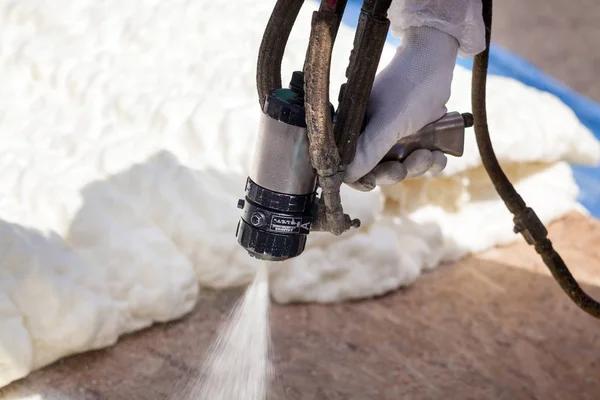
    Once mixed correctly, use a specialized sprayer designed for applying spray foam evenly across surfaces. Begin spraying from one corner of your space moving methodically towards another corner without missing any spots along walls or ceilings—this ensures consistent coverage throughout every section needing insulative protection against temperature fluctuations outside versus inside environments alike!

    While applying layers onto surfaces within designated spaces like attics/basements/garage areas etc., remember not over-spraying which may lead unnecessary wastage material costs incurred later down line once dried completely after curing period ends (usually takes about 24 hours).

    After completing application steps involved thoroughly inspecting work done checking possible missed spots requiring touch-ups if necessary before finalizing project altogether!

    In conclusion this complete guide aims provide insight into successful execution projects involving usage modern-day technology advancements such as innovative solutions offered through utilization techniques related specifically towards achieving desired outcomes regarding improved home comfort levels overall reduced utility bills long-term savings potential realized thanks proper implementation methods employed during initial stages planning phases onward until completion date reached successfully meeting expectations set forth initially outset journey undertaken together collectively collaboratively thereby enhancing quality life enjoyed thereafter indefinitely future generations benefit equally well too!
  • Spray Foam Insulation Explained for Smart Home Upgrades

    Spray Foam Insulation Explained for Smart Home Upgrades

    Spray foam insulation has gained popularity as an effective solution for improving energy efficiency and comfort in homes, especially those undergoing smart home upgrades. This type of insulation is created by mixing two chemical components that expand upon application, filling gaps and sealing cracks more thoroughly than traditional materials like fiberglass or cellulose. Its ability to create an airtight barrier makes it particularly valuable in modern homes where controlling temperature and air quality is essential for optimizing smart systems.

    One of the primary benefits of spray foam insulation is its high R-value, which measures thermal resistance. Compared to conventional insulation options, spray foam offers superior performance per inch of thickness. This means it can provide better temperature regulation while occupying less space, allowing homeowners to maximize living areas without compromising on energy efficiency. For smart homes equipped with automated heating and cooling systems, maintaining consistent indoor temperatures reduces the workload on these devices, leading to lower utility bills and extended equipment lifespan.

    In addition to thermal advantages, spray foam acts as a powerful air sealant that prevents drafts and moisture infiltration. By blocking unwanted airflow through walls, ceilings, and floors, it helps maintain indoor humidity levels within a comfortable range. Moisture control is critical not only for occupant health but also for protecting structural elements from mold growth and deterioration over time. Smart home environments often include sensors that monitor air quality; therefore, integrating effective insulation supports these technologies by creating stable conditions less prone to sudden fluctuations caused by leaks or dampness.

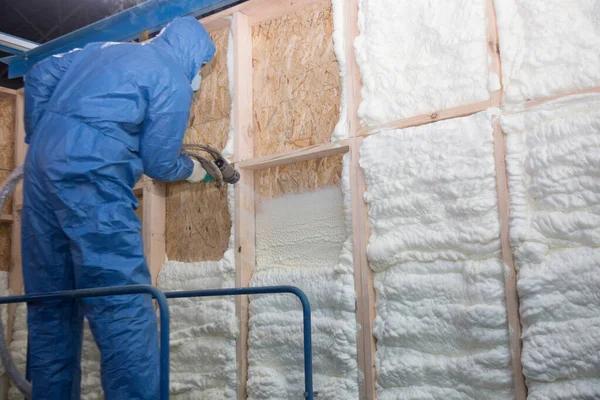
    Installation of spray foam requires professional expertise due to the specialized equipment needed for proper mixing and application. The process involves spraying the expanding material directly onto surfaces where it adheres quickly before curing into a solid yet flexible form. While initial costs may be higher compared to other insulations, long-term savings in energy expenses combined with increased property value often justify this investment. Moreover, some regions offer incentives or rebates for upgrading building envelopes using high-performance materials like spray foam.

    When considering spray foam as part of a smart home upgrade strategy, compatibility with existing construction should be evaluated carefully. It works well in new builds or during major renovations but may pose challenges if retrofitting older structures without adequate ventilation planning. Consulting with experienced contractors ensures proper design choices that align with both energy goals and indoor environmental quality standards.

    Overall, incorporating spray foam insulation enhances the functionality of smart home systems by providing superior thermal management and airtightness while contributing to healthier living spaces through moisture control. Its durability coupled with efficient performance makes it a worthwhile consideration for homeowners seeking cutting-edge solutions tailored toward sustainability and technological integration within their residences.