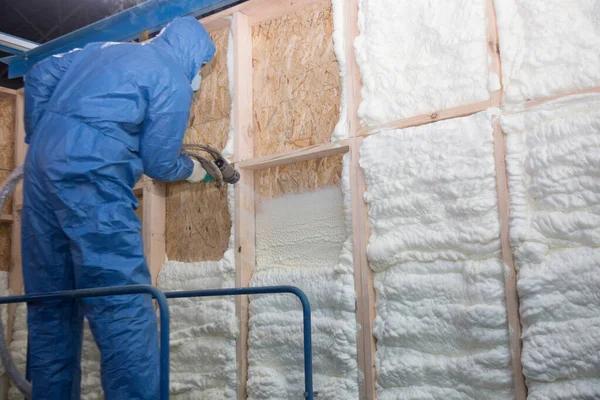
Spray foam insulation has gained popularity as an effective solution for improving energy efficiency and comfort in homes, especially those undergoing smart home upgrades. This type of insulation is created by mixing two chemical components that expand upon application, filling gaps and sealing cracks more thoroughly than traditional materials like fiberglass or cellulose. Its ability to create an airtight barrier makes it particularly valuable in modern homes where controlling temperature and air quality is essential for optimizing smart systems.
One of the primary benefits of spray foam insulation is its high R-value, which measures thermal resistance. Compared to conventional insulation options, spray foam offers superior performance per inch of thickness. This means it can provide better temperature regulation while occupying less space, allowing homeowners to maximize living areas without compromising on energy efficiency. For smart homes equipped with automated heating and cooling systems, maintaining consistent indoor temperatures reduces the workload on these devices, leading to lower utility bills and extended equipment lifespan.
In addition to thermal advantages, spray foam acts as a powerful air sealant that prevents drafts and moisture infiltration. By blocking unwanted airflow through walls, ceilings, and floors, it helps maintain indoor humidity levels within a comfortable range. Moisture control is critical not only for occupant health but also for protecting structural elements from mold growth and deterioration over time. Smart home environments often include sensors that monitor air quality; therefore, integrating effective insulation supports these technologies by creating stable conditions less prone to sudden fluctuations caused by leaks or dampness.
Installation of spray foam requires professional expertise due to the specialized equipment needed for proper mixing and application. The process involves spraying the expanding material directly onto surfaces where it adheres quickly before curing into a solid yet flexible form. While initial costs may be higher compared to other insulations, long-term savings in energy expenses combined with increased property value often justify this investment. Moreover, some regions offer incentives or rebates for upgrading building envelopes using high-performance materials like spray foam.
When considering spray foam as part of a smart home upgrade strategy, compatibility with existing construction should be evaluated carefully. It works well in new builds or during major renovations but may pose challenges if retrofitting older structures without adequate ventilation planning. Consulting with experienced contractors ensures proper design choices that align with both energy goals and indoor environmental quality standards.
Overall, incorporating spray foam insulation enhances the functionality of smart home systems by providing superior thermal management and airtightness while contributing to healthier living spaces through moisture control. Its durability coupled with efficient performance makes it a worthwhile consideration for homeowners seeking cutting-edge solutions tailored toward sustainability and technological integration within their residences.