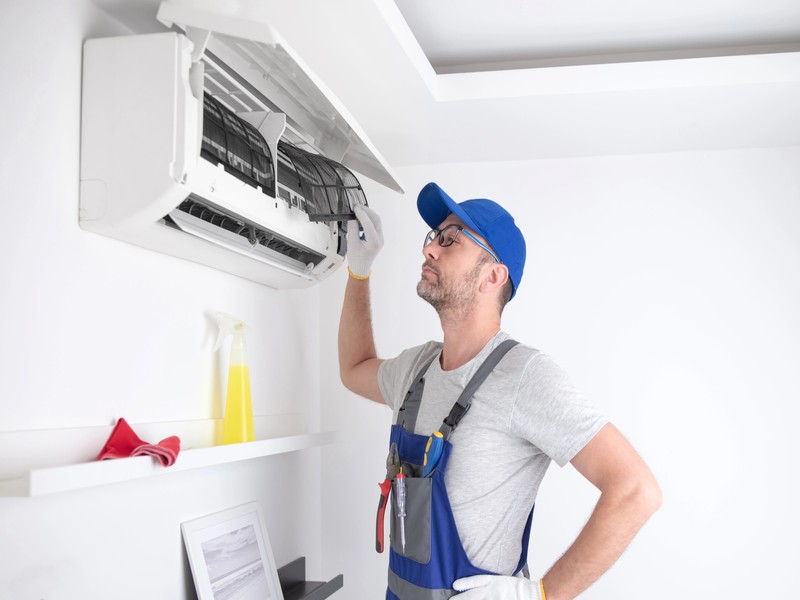
Maintaining commercial air conditioning systems is essential for ensuring energy efficiency, reducing operational costs, and extending equipment lifespan. Proper maintenance not only improves system performance but also minimizes environmental impact by lowering energy consumption. Commercial AC units operate under demanding conditions and often run for extended periods, making regular upkeep vital to prevent breakdowns and inefficiencies. One of the primary strategies for enhancing energy efficiency involves routine inspections and cleaning of key components such as filters, coils, and fans. Dirty or clogged filters restrict airflow, forcing the system to work harder and consume more electricity. Similarly, accumulated dirt on evaporator and condenser coils reduces heat exchange effectiveness, leading to increased energy use. Regular cleaning ensures optimal airflow and heat transfer.
Another important aspect is checking refrigerant levels and addressing leaks promptly. Low refrigerant levels cause the compressor to overwork while insufficient cooling occurs simultaneously. Detecting leaks early prevents environmental harm from refrigerant release while maintaining system efficiency. Additionally, inspecting electrical connections helps avoid potential failures or shorts that can disrupt operations or increase power draw unnecessarily.
Implementing advanced control systems can further improve energy management dive in for more commercial AC setups. Programmable thermostats allow precise temperature regulation based on occupancy patterns or time schedules rather than constant operation at fixed settings. This targeted cooling reduces wasted energy during non-business hours or low-occupancy periods without compromising comfort when spaces are occupied.
Upgrading older units with modern components designed for higher efficiency also contributes significantly to reducing power consumption over time. Newer compressors, variable speed drives on motors, and enhanced heat exchangers offer better performance with less electricity usage compared to outdated models.
Properly sizing air conditioning equipment during installation plays a crucial role in long-term efficiency as well; oversizing leads to frequent cycling that wastes energy while undersizing results in inadequate cooling requiring continuous operation at full capacity.
Energy-efficient maintenance practices extend beyond mechanical care alone by incorporating staff training focused on operational best practices like setting appropriate temperatures and reporting irregularities immediately for swift intervention.
In summary, commercial AC maintenance solutions aimed at improving energy efficiency involve comprehensive approaches including regular component cleaning, timely repairs of leaks or electrical issues, intelligent controls implementation, upgrading equipment when necessary, correct sizing considerations during installation stages alongside educating personnel involved in daily operations-all contributing toward lower utility bills and a reduced carbon footprint without sacrificing indoor comfort standards essential in business environments today.